Dining Stories
Late Courses Under Amber Light
A quiet dinner journal about atmosphere, small gestures, and the way a thoughtful meal can slowly become the story of an evening.
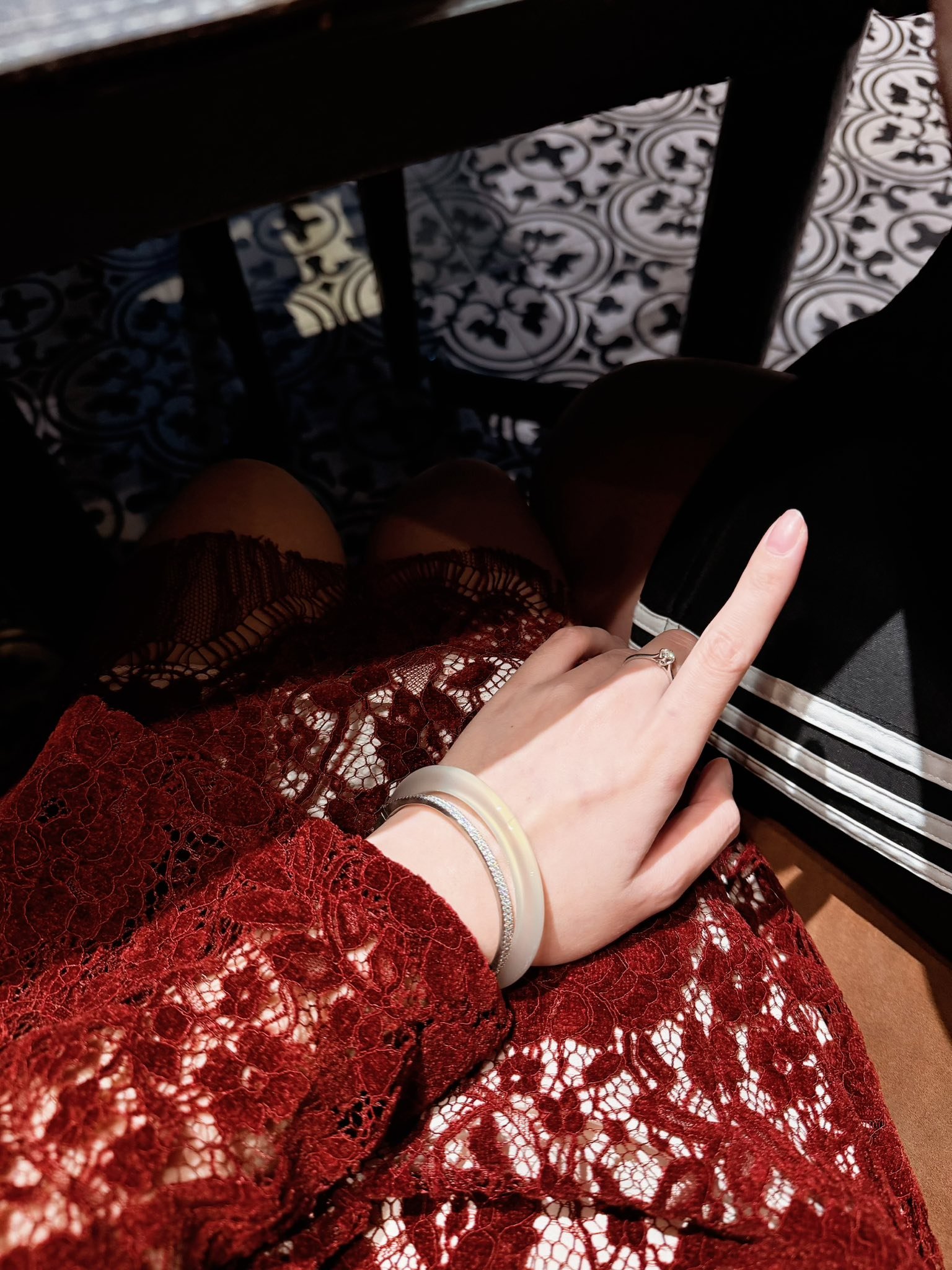
Some dinners begin before the first plate ever reaches the table. They begin in the light, in the quiet of the room, in the feeling that the night has already chosen its own pace.
This was one of those evenings. Nothing felt rushed. The room settled gradually, the table felt intimate, and each course arrived with the calm confidence of a place that does not need to prove itself loudly.
Arrival
The opening moments of a dinner often say everything. A good room lets you exhale. It gives you enough space to notice the chair, the glassware, the distance between one table and the next. It invites you in rather than performing for you.
That was the mood here: soft, deliberate, and a little cinematic. By the time the first course arrived, the evening already felt shaped, as if the story had started before the menu did.

Opening Plates
The first dish carried exactly the right amount of detail. Crisp leaves, soft egg, bright slices of radish, and a richer center gave the plate balance without making it feel crowded. It felt edited rather than embellished, which is often the difference between a good opening and a memorable one.
That same sense of editing stayed with the meal. Each plate knew what it wanted to say, and nothing stayed on the plate only for decoration. The evening felt more like a sequence of observations than a performance.

The Middle Of The Evening
By the middle of dinner, the pace of the room had become its own kind of comfort. Service moved quietly. Conversation rose and fell without interruption. The courses arrived just as the table was ready for them, which is one of those things diners always feel even if they do not say it aloud.
What made the evening memorable was not spectacle. It was confidence. The kind that lets a plate remain composed, lets the room stay calm, and lets the diner feel that nothing is being rushed toward a conclusion.

Even the stronger flavors arrived with restraint. Nothing felt oversized. Nothing leaned too hard on drama. The pleasure came from proportion, from pacing, and from the sense that the kitchen knew exactly when to hold back.

Closing Notes
The last part of a dinner often reveals the true mood of the restaurant. Some places lose focus toward the end. Others soften in a way that feels generous. Here, the closing stretch felt warmer and more personal, as though the room had relaxed without losing its form.
What remained afterward was less about one dramatic bite and more about the atmosphere as a whole. The memory of the night came back as texture: soft light, quiet pacing, and the feeling of being given enough time to notice everything.
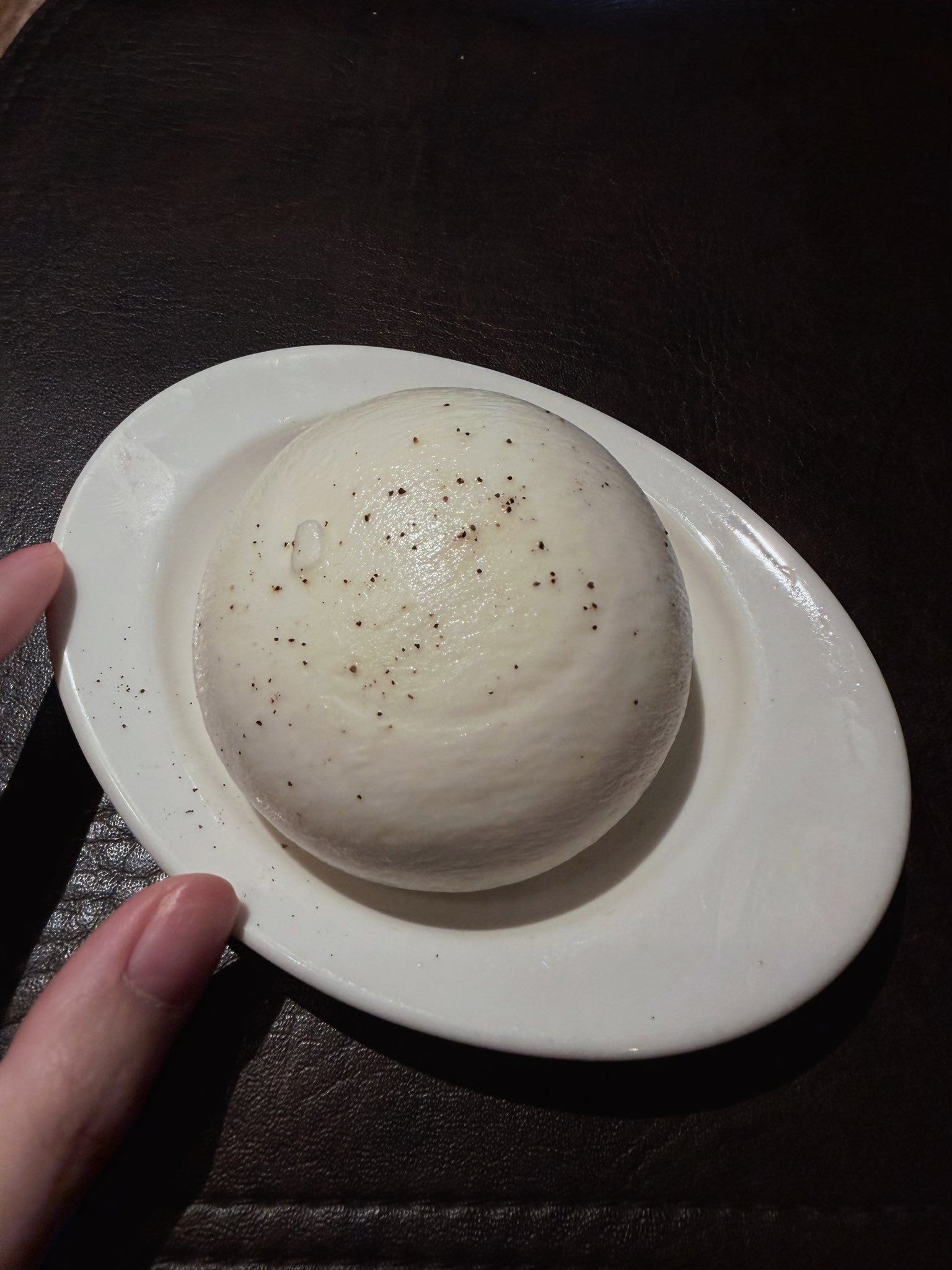
That is perhaps what Velvet Table wants to keep: not only what was served, but how the evening felt while it was unfolding.